Life with Type 1 Diabetes
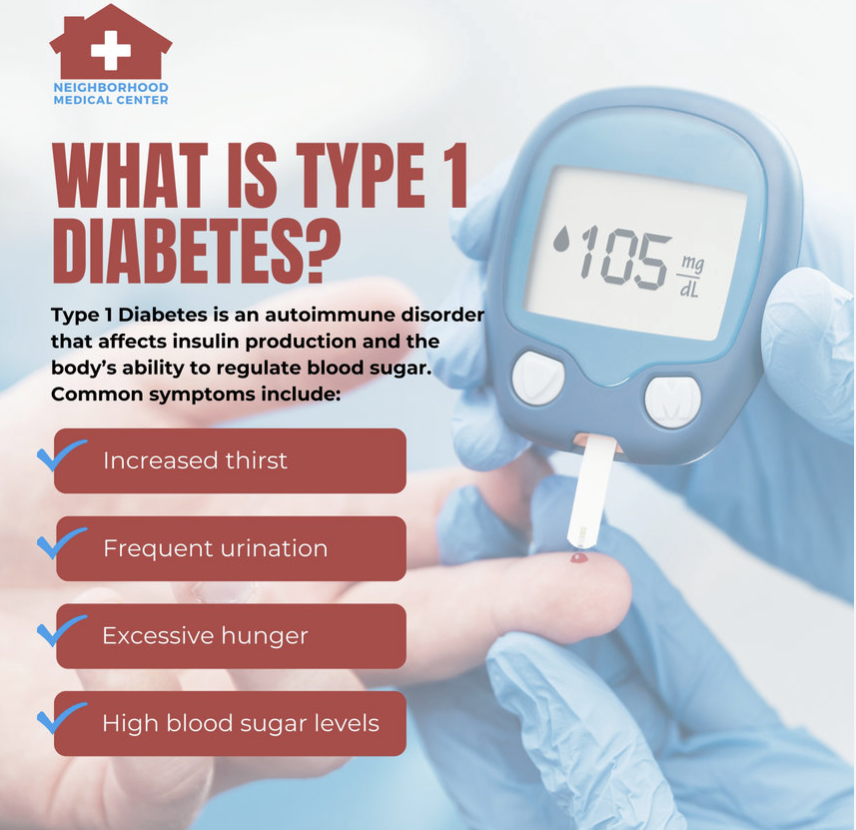
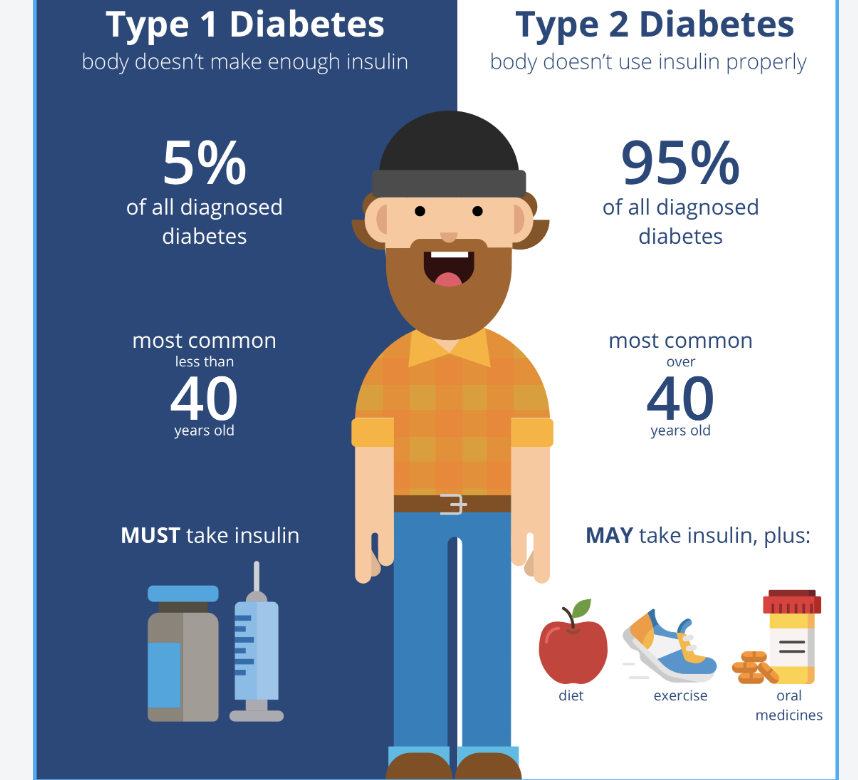
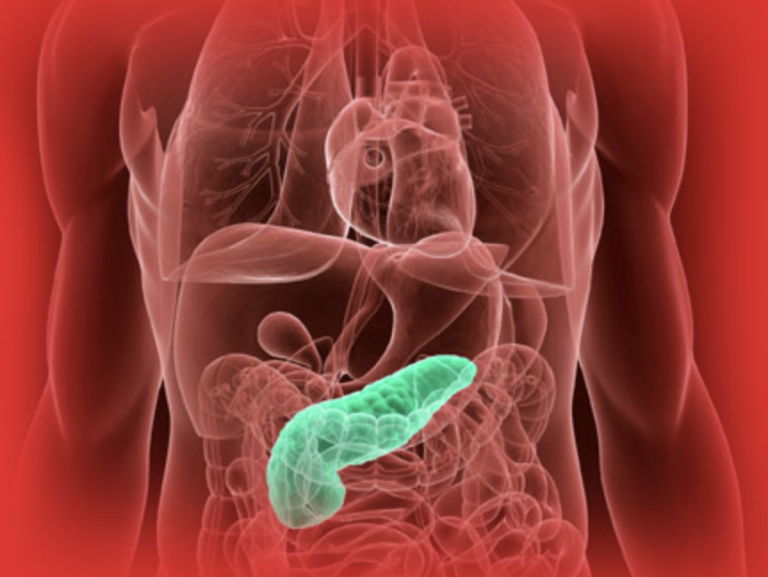
Type 1 diabetes is a chronic autoimmune disease where the immune system of the body destroys the insulin-producing cells in the pancreas. Insulin is a hormone that helps glucose (sugar) get into the body's cells to provide energy. Without enough insulin, blood sugar levels can become dangerously high. People with type 1 diabetes have to manage their condition daily by monitoring their blood sugar, taking insulin, and balancing food and physical activity. Today there is no cure, but technology like continuous glucose monitors and insulin pumps allow people to manage the condition and live full, active lives.
Symptoms
- Frequent urination
- Extreme thirst
- Increased hunger
- Unexplained weight loss
- Fatigue
- Blurry vision
Technology:
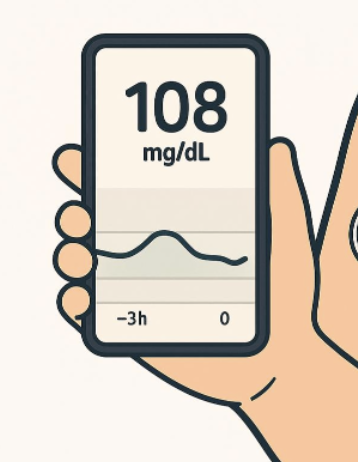
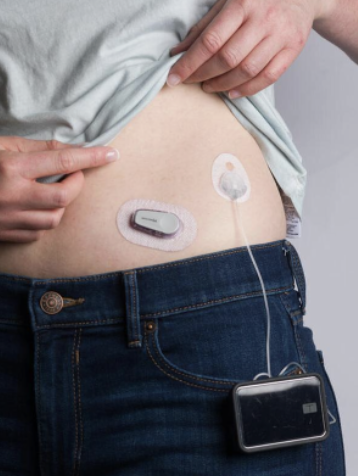
- Continuous Glucose Monitor (CGM): Tracks blood sugar levels throughout the day and night.
- Insulin Pump: Delivers insulin throughout the day without needing multiple daily injections.
- Real-Time Alerts: CGMs can notify users when their blood sugar is too high or too low.
- Smart Technology: Some insulin pumps connect to CGMs and automatically adjust insulin delivery.
- More Independence: These devices make managing Type 1 Diabetes easier and give people more flexibility in their daily lives.
- Better Blood Sugar Management: Helps people monitor glucose trends and make informed decisions about their health.
The Future: Finding a Cure for Type 1 Diabetes
- Artificial Pancreas: Scientists are developing smarter devices that automatically monitor blood sugar and deliver insulin, making diabetes easier to manage.
- Stem Cell Research: Researchers are working to create new insulin-producing cells to replace the ones destroyed by Type 1 Diabetes.
- Islet Cell Transplants: Scientists are exploring ways to transplant healthy insulin-producing cells into people with Type 1 Diabetes.
- Protecting New Cells: Researchers are developing ways to protect transplanted cells from the immune system so they can continue producing insulin.
- Immunotherapy: Scientists are studying treatments that could stop the immune system from attacking insulin-producing cells.
- The Ultimate Goal: Find a lasting cure that allows people with Type 1 Diabetes to produce their own insulin without daily injections or pumps.